A level is a useful tool — but it doesn’t always tell the whole story.
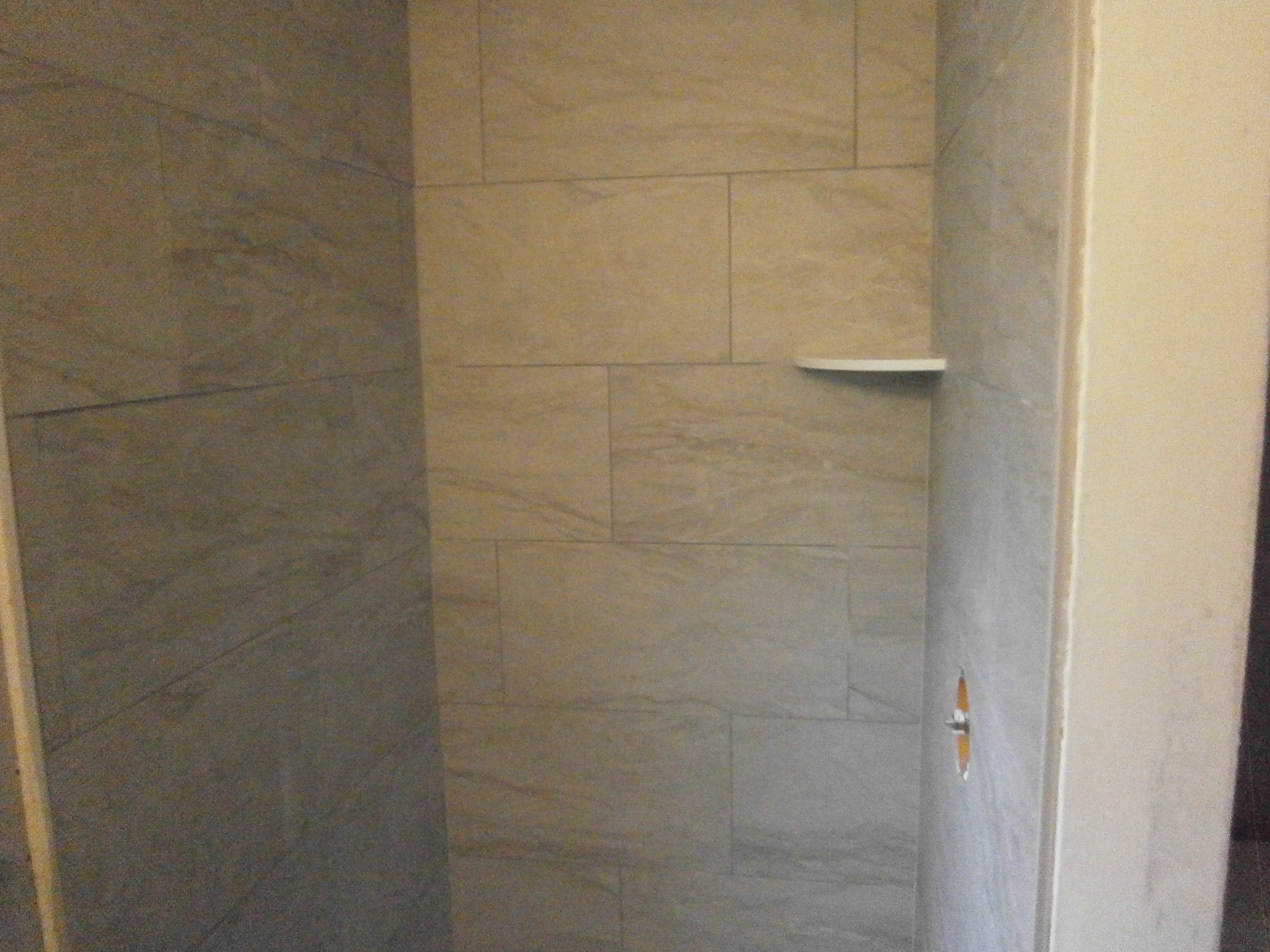
Tile surfaces are not machined parts. Many tiles are intentionally irregular, especially non-rectified tile. When a level is placed on the face of tile, what it’s measuring is the tile surface, not necessarily the structure behind it.
A few important distinctions:
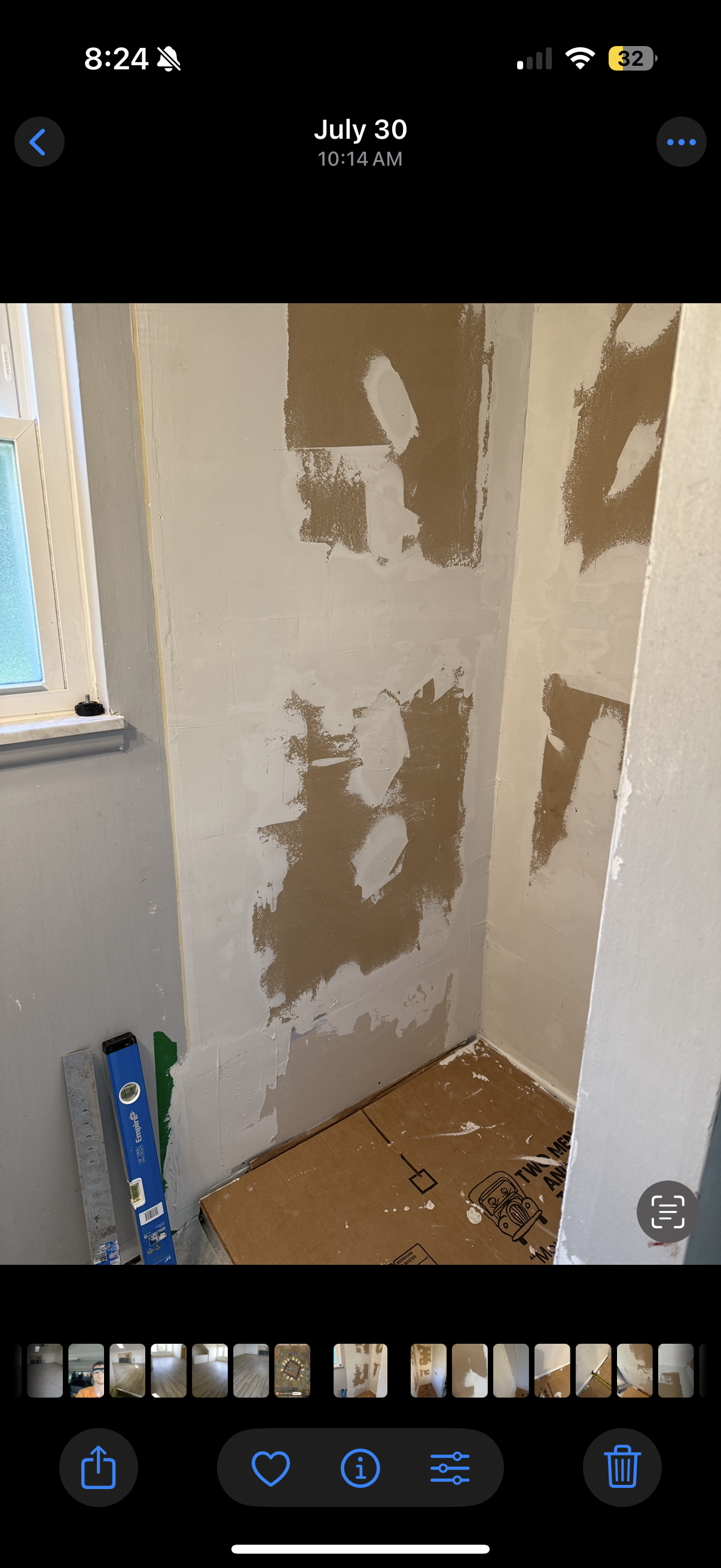
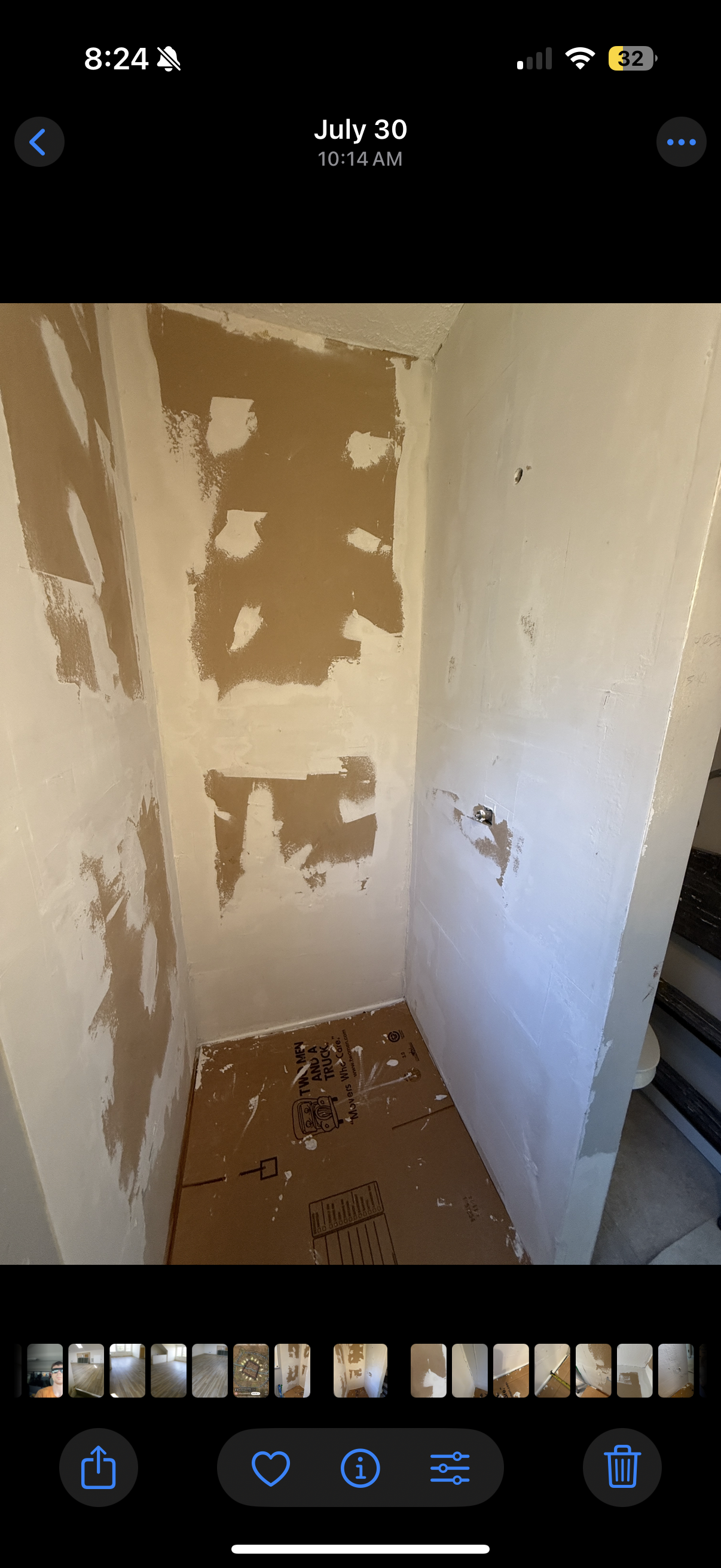
A wall can be perfectly plumb while the finished tile surface appears concave or convex. This usually happens when the underlying substrate isn’t uniformly flat, causing the tile to follow those variations even though the wall itself is vertical. Tile records the surface beneath it, not just the orientation of the framing.
Tile installations involve multiple materials, each with its own tolerances, including tile thickness, grout joint width, and edge profiles. Non-rectified tile and natural variation in materials can cause a level’s bubble to read slightly off even when the installation is within industry standards. These small variances are normal and expected in real-world tile work.
A shower’s performance depends on proper drainage, intact waterproofing, and long-term durability—not on achieving a perfectly centered bubble on every finished surface. Chasing visual perfection after installation often requires invasive changes that introduce unnecessary risk. A shower that functions correctly over time is always the priority.
When I evaluate tile work, I look at the system as a whole — not just what a single tool shows in one spot.
Call or text EGA Construction LLC at (440) 867-5443 for a free flooring estimate in Northeast Ohio.
If you're at the point where you're planning your project, feel free to send a few photos or details. I can take a look and give you a clear next step based on your situation.